PP 4 | Wild Card
The Rise of Global Streaming Platforms and Their Cultural Influence

In the past decade, global streaming platforms such as Netflix, Disney+, and Amazon Prime Video have transformed how people around the world consume television and film. What began as an alternative to cable or broadcast television has become a dominant form of audiovisual entertainment, reshaping not only business models but cultural flows and audience expectations. The rise of these services has dismantled traditional gatekeepers, expanded the reach of non-English content, and fostered a new kind of global cultural exchange.
Streaming services — especially Netflix, Disney+, and Prime Video — have transformed global media consumption, eroding traditional broadcast and cable television’s dominance and reshaping cultural boundaries. Through massive subscriber growth, investment in local-language content, and algorithmic distribution, these platforms have become powerful agents of cross-cultural exchange. This paper reviews current data on adoption and market size, examines how content diversity and localization fuel global influence, and explores the cultural and economic implications of this shift.
Recent industry data confirm the scale of this shift: by 2025, Netflix alone reached roughly 301.6 million paid subscribers worldwide. Streaming as a whole has become a major segment of global media consumption — the global video-streaming market was valued at approximately US$674.25 billion in 2024.
The ascendance of global streaming can first be understood in economic and usage terms. According to recently published statistics, streaming now accounts for a very large share of internet traffic worldwide. One estimate suggests that over 80% of global internet traffic is related to video streaming.
Within this booming industry, Netflix continues to lead. As of early 2025, Netflix reported over 300 million global subscribers — a landmark figure reflecting both the platform’s global reach and the shifting habits of audiences. In addition, regional distribution of subscribers shows that while North America remains important, growth is fastest in Asia-Pacific and other non-Western markets.
The dominance of streaming has had ripple effects across media markets. Traditional cable and broadcast TV subscriptions have declined in many regions as viewers “cut the cord” in favor of on-demand services. As a result, studios, networks, and content producers have had to adapt — often embracing streaming-first production, global distribution, and new monetization models (subscription, ad-supported tiers, hybrid plans).
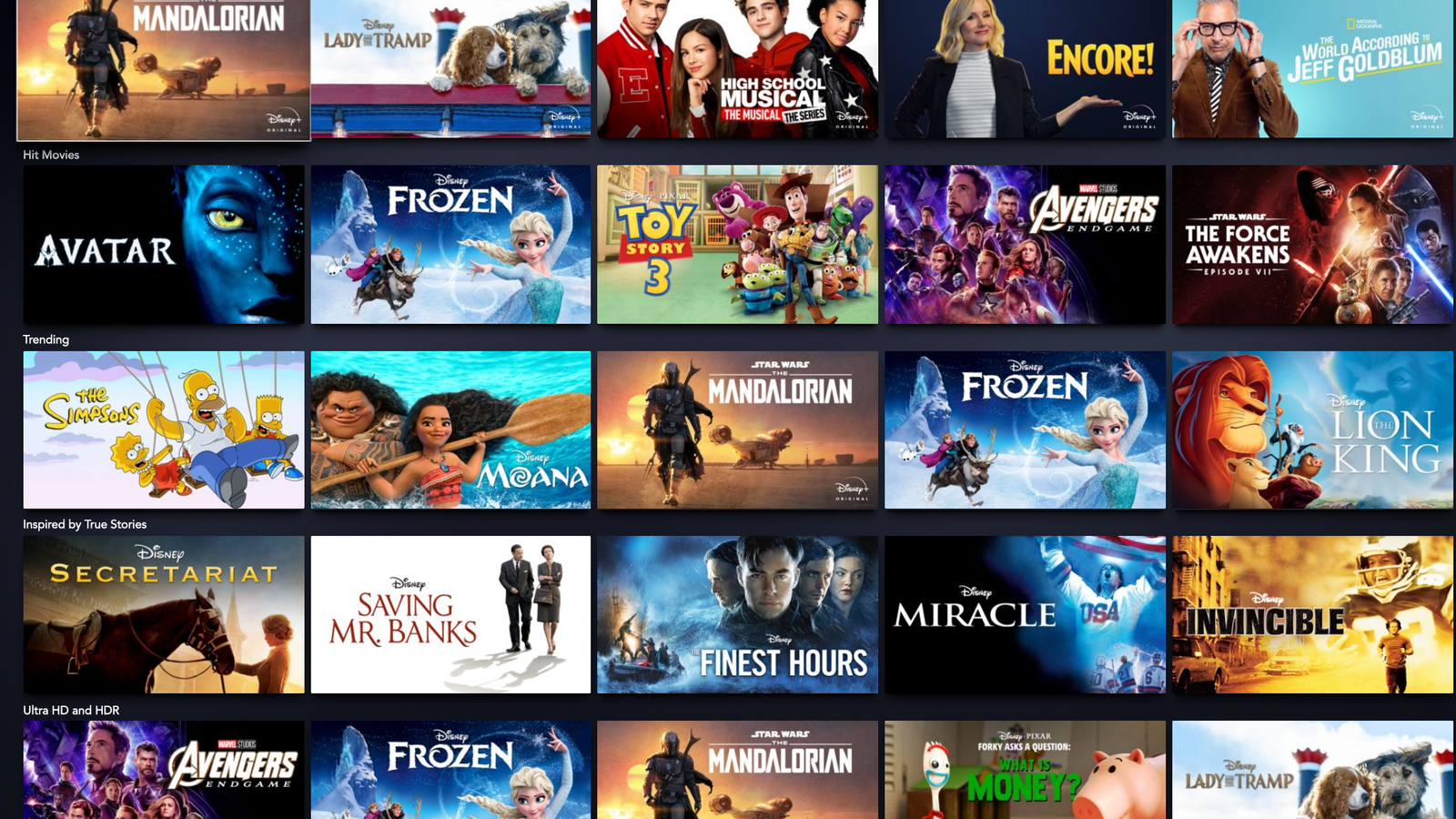
One of the most transformative effects of streaming platforms lies in their cultural influence. By investing heavily in original content from around the world — often in non-English languages — these services have broadened the scope of what “mainstream” entertainment can be.
For example, shows like Squid Game (South Korea), Money Heist / La Casa de Papel (Spain), Delhi Crime (India), and Fauda (Israel) have found massive global audiences — many of them outside their countries of origin. This indicates a shift: content is no longer siloed in national or linguistic boundaries. Instead, audiences around the globe are accessing and appreciating culturally diverse stories.

Comments
Post a Comment