PP 3 | Depictions of Women and Minorities
Media Representations of Women in Korea
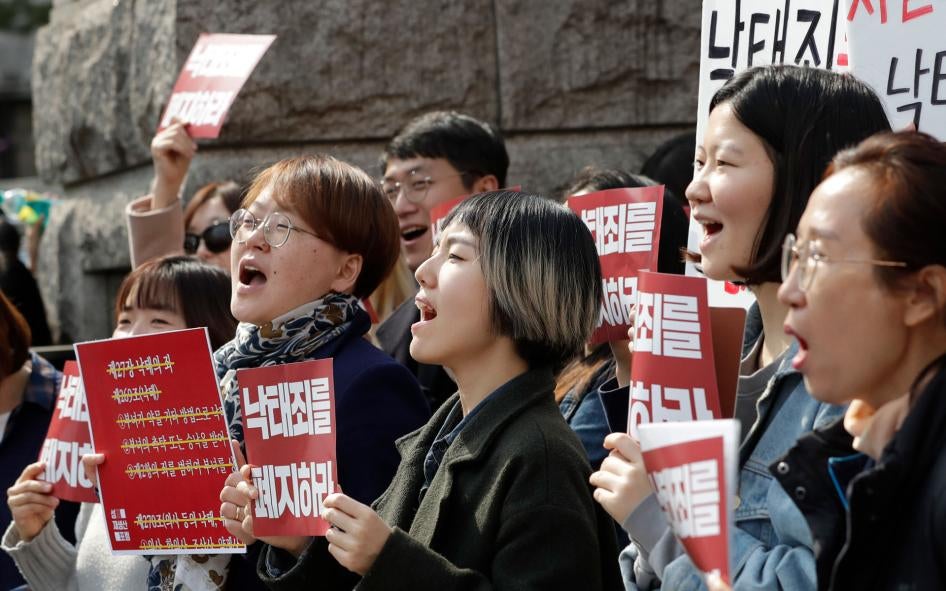
The portrayal of women in Korea provides a revealing lens into the country’s cultural, political, and social landscape. Across news media, advertising, motion pictures, and social media, Korean women are depicted in ways that are often contradictory—simultaneously reinforcing traditional expectations while also offering new forms of empowerment. These portrayals reflect Korea’s ongoing negotiation between its Confucian heritage, modern feminist movements, and shifting generational attitudes regarding gender and identity.
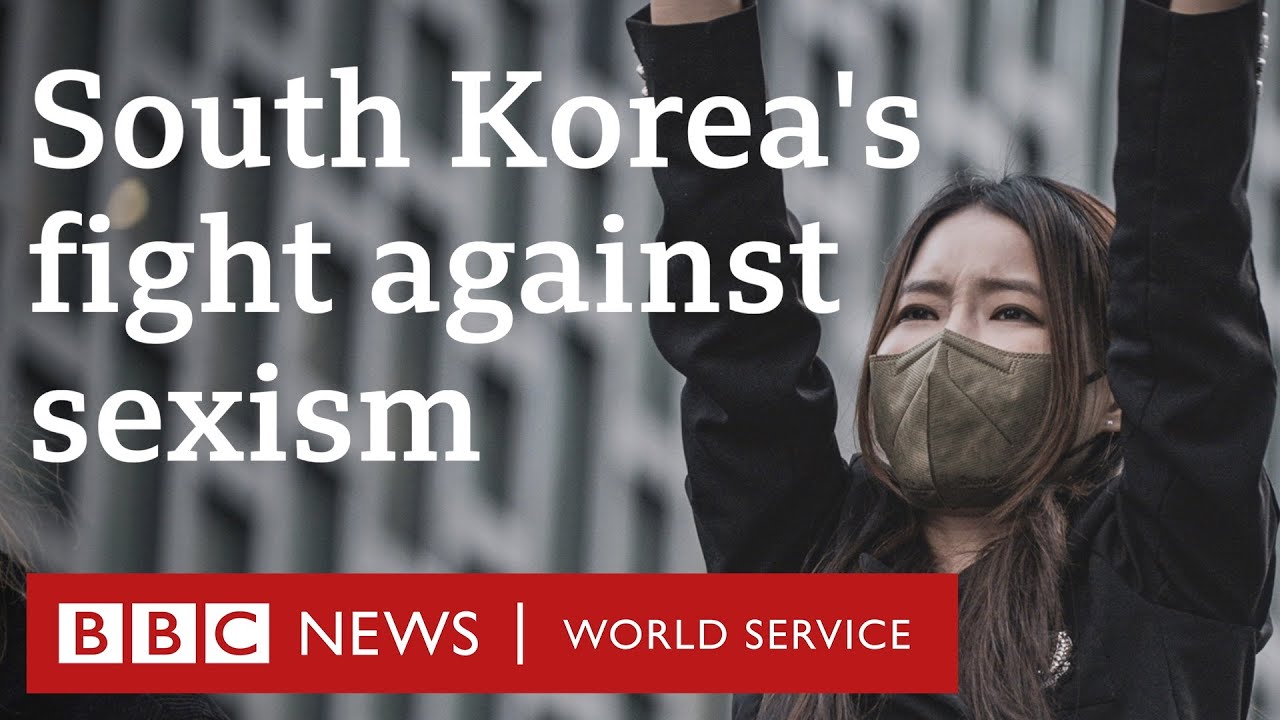
In Korean news media, women are frequently represented through contrasting narratives that expose both progress and persistent inequality. Domestic news coverage often highlights women as victims of social issues such as workplace discrimination, domestic violence, digital sex crimes, or the pressure to conform to beauty standards. These stories draw attention to the challenges women face, yet they also reinforce a view of women as vulnerable within a patriarchal society. Moreover, female public figures—whether politicians, athletes, or celebrities are frequently scrutinized for their appearance, attire, or marital status rather than their professional achievements. This reinforces cultural expectations rooted in Confucian gender norms, where women’s personal lives and outward presentation are closely tied to public perception. At the same time, news media has increasingly featured stories about women breaking barriers in fields such as technology, politics, science, and the arts. Coverage of feminist activism, protests against gender violence, and the growing number of women choosing nontraditional life paths—such as remaining single or focusing on their careers, which demonstrates the expanding visibility of empowered narratives within Korean society.
Advertising in Korea also plays a significant role in shaping the portrayal of women, often perpetuating strict beauty standards while beginning to embrace more diverse images. For decades, South Korean advertisements have emphasized flawless skin, youthful appearance, and thin body types, reinforcing an idealized form of femininity. Women are often shown in domestic roles or presented as gentle, polite, and aesthetically perfect, reflecting cultural expectations of modesty and beauty. Ageism is also prevalent, as women over forty rarely appear in leading or glamorous roles. However, recent shifts indicate a slow but noticeable change. Advertisements increasingly features professional women in leadership positions and portray them as confident decision-makers. Campaigns showcasing women who travel alone, live independently, or make financial decisions for themselves reflect broader social changes, including an increase in single-person households and women delaying or rejecting traditional marriage. These depictions challenge long-standing gender assumptions and contribute to a more empowered image of Korean women.
 |
| Femininity and Identity in Korea |
Korean film and television add another dimension to these portrayals, offering both stereotypical and progressive representations. Historically, women in Korean cinema have often been portrayed as passive, sacrificial, or secondary characters. Many traditional dramas focus on women overcoming hardship or supporting male-driven narratives, reinforcing conventional gender roles. Beauty expectations remain strict, with actresses adhering to narrow standards of appearance that mirror those found in advertising. However, the rapid evolution of the Korean entertainment industry has brought more complex and empowering female characters to the forefront. Films such as Kim Ji-young, Born 1982 sparked national dialogue by exposing the everyday sexism experienced by modern Korean women, while television dramas like My Mister, Crash Landing on You, and Twenty-Five Twenty-One feature resilient, resourceful female protagonists whose motivations and struggles are central to the story. Additionally, the rise of female directors, writers, and producers has resulted in more nuanced depictions of women's lives. These shifts indicate that Korean entertainment is gradually moving away from traditional portrayals and toward more balanced and empowering representations.
Social media has further transformed how Korean women present themselves and how they are perceived. Platforms such as Instagram, TikTok, YouTube, and Korea’s popular Naver Café have allowed women to create their own narratives and challenge societal expectations. Influencers often showcase alternative beauty standards, promote self-confidence, and engage in open discussions about mental health, work-life balance, and gender inequality. Movements like #EscapeTheCorset, in which women publicly reject unrealistic beauty expectations by cutting their hair short or avoiding makeup, gained momentum through social media and sparked national debate. Female content creators, entrepreneurs, and gamers also use digital platforms to expand perceptions of what women in Korea can and should be. Despite these positive developments, online spaces remain contested. Women, particularly those associated with feminist causes, often face harassment or backlash. Digital sex crimes, including the widespread issue of hidden camera recordings, continue to pose significant threats to women’s safety and digital autonomy. Thus, social media acts simultaneously as a space of liberation and a battleground for gender politics.
These varied portrayals cannot be separated from the cultural, political, and religious forces that shape Korean society. Confucianism, which historically emphasized modesty, obedience, and clearly defined gender roles, continues to influence both the public and private expectations placed on women. Political ideologies also play a key role: while progressive groups advocate for gender equality and support women’s rights movements, conservative voices often resist these changes, arguing that they disrupt social harmony or family structures. Religious influences, particularly from Christianity and Buddhism, contribute to public discussions about morality, femininity, and traditional family values. Additionally, economic pressures shape portrayals of women both as consumers—especially in the massive beauty and fashion industries—and as workers navigating a rapidly modernizing economy. Media debates surrounding career versus family expectations further highlight the ongoing tensions women face.
In conclusion, the portrayal of women in Korea across various media formats reveals a society undergoing significant transformation. While discriminatory patterns rooted in beauty standards, traditional gender expectations, and political polarization continue to shape how women are represented, there is also clear momentum toward empowerment and diversification. Korean women are increasingly depicted as leaders, innovators, and complex individuals whose identities extend far beyond traditional roles. As Korea continues to reconcile its cultural past with its rapidly evolving present, the representation of women in its media will remain a powerful indicator of broader societal change.

Comments
Post a Comment